Table Of Content
To safeguard against periodic flooding, homes are built off the ground so they won’t incur water damage. A famous type of wood used in traditional Japanese construction is Japanese cypress, which is called “hinoki.” This wood is selected for its high resistance to rot, clear grain, and support strength after aging. One unique characteristic is how the homes are built according to their natural surroundings. The open design is protected from the sun, so it stays cool during summers. As you enter the home, you’re greeted by a black wood-burning stove, tatami room, and garden space.
Modern Japanese House Designs: Cutting-Edge Architecture From Japan
Japanese Zen interior designs draw inspiration from elements of nature as they have immense respect for nature. Their designs have a strong connection with natural elements such as wood, plants, natural lighting and more. The light-filled, six-story interior of the KUbe is an open-plan studio space designed to encourage collaboration. It houses everything from dedicated 3D printing and robotics labs to a cafe, all organized around a central core. Flexible floorplates allow for a variety of configurations, from single-height classrooms to double-height studios. A fire-resistant spiral staircase provides a unique pathway and encourages chance encounters, further sparking creativity.
Architecture Experiences with TOKI
American Muscle Meets Japanese Icons As Design And F1 Legends Remembered - Forbes
American Muscle Meets Japanese Icons As Design And F1 Legends Remembered.
Posted: Sun, 28 Apr 2024 06:26:45 GMT [source]
Designing a house for a client is personal and sensitive, making the role of architect both challenging and exciting. How does one design, and yet meet or anticipate the needs of a human being? In Moriyama House, Nishizawa designed separate, right angled houses, or ‘volumes,’ and arranged them in a unique cluster.
RELATED JAPANESE ART
Logos are no different—this branding for Nippon-Ichi, a traditional crafts shop in Tokyo, designed by Good Design Company in 2010 features a hanging red sun over Mount Fuji. Mount Fuji is one of Japan’s Three Holy Mountains and has huge spiritual and cultural significance across the country. It’s no secret that Japanese design—encompassing architecture, fashion and, of course, graphic design—is renowned all over the world.
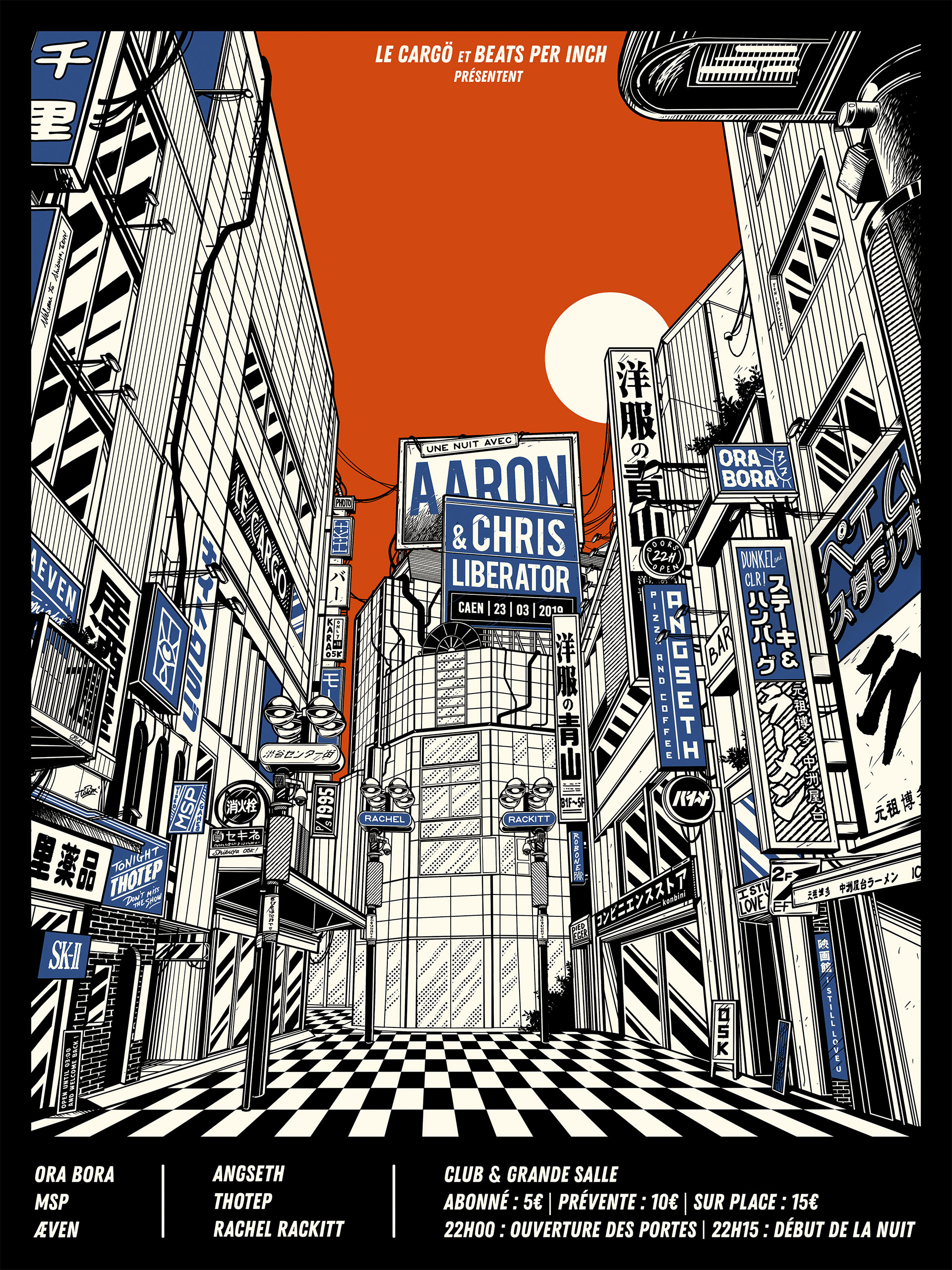
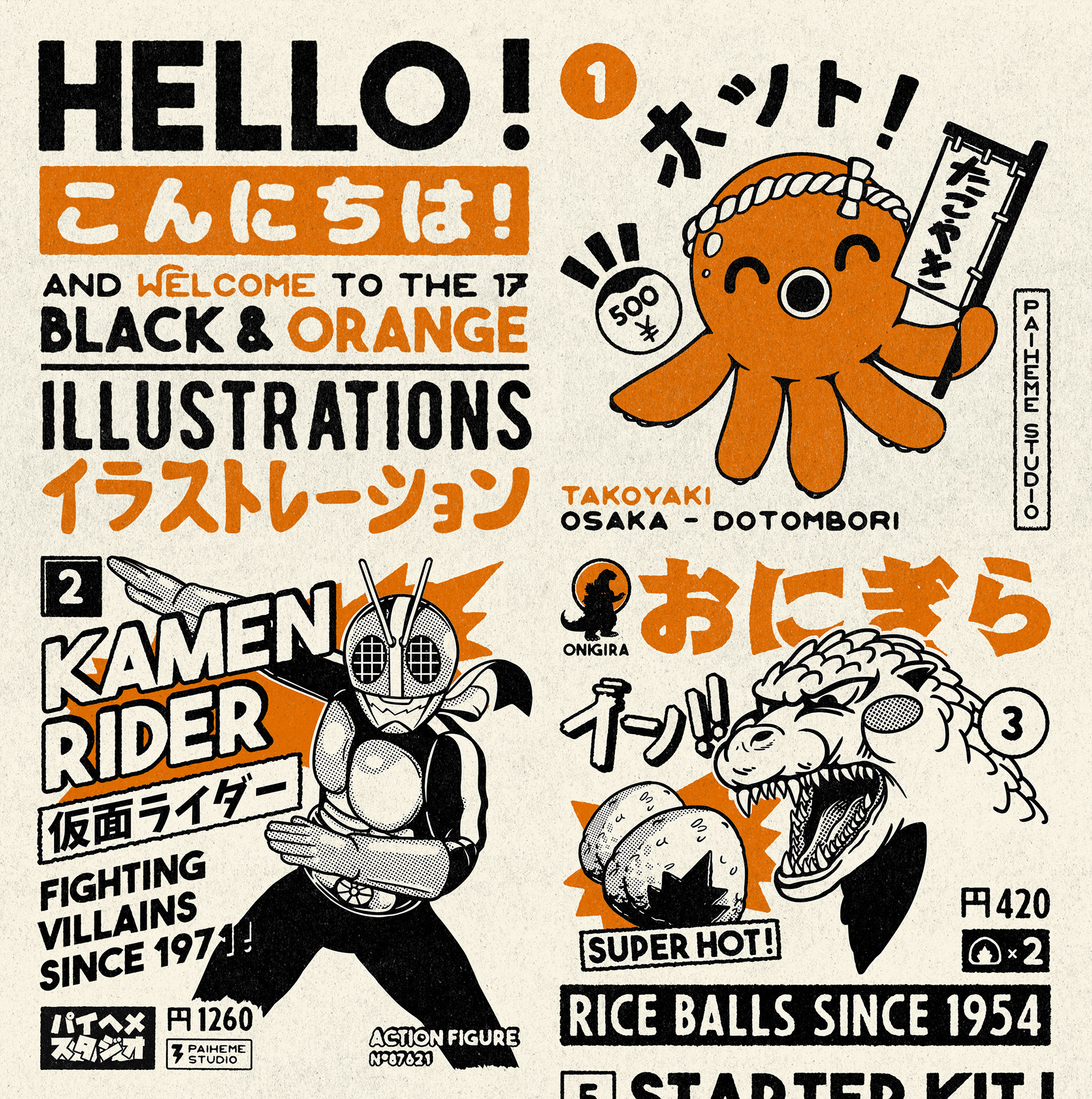
Contemporary Japanese motifs include a wide range of animals, cartoon characters such as manga and kawaii, cityscapes, futurism, neo-Pop Art, and elements and styles borrowed from other countries. Any of these motifs may also be combined with traditional Japanese art. As with other movements in art and design worldwide, Japan's graphic arts feature some key styles or trends in history. Besides the international trends that have influenced Japanese design, Japan's culture and artifacts have also significantly influenced other cultures. For instance, Japonisme was a trend in mid-nineteenth century France (and other European countries) that consumed all aspects of Japanese culture.
You can also learn more about the birth of the Nihonga movement in The Secret Hideaway of Japan’s Best Nihonga Artists. Though the Nishijin weaving industry predates Kyoto’s role as the seat of the Imperial family, it wasn’t until after Kyoto officially became the capital of Japan that Nishijin-ori production took off. The opulence of courtly life practically demanded flamboyant, high-quality dress, so a special bureau was created and put in charge of textile manufacturing for the court. However, by the end of the Heian period (794–1185), the time when the Imperial court was at its peak, court-sanctioned fabric production inevitably declined. Japanese silk weaving was first brought to Kyoto by the Yasushi family, who immigrated to Japan from China sometime in the 5th or 6th century and taught the art to the local people.
Find out more about these 5 Kirie Japanese Paper-Cutting Artists You Should Know. The Meiji era’s unrelenting modernization was keenly felt by many artists and artisans. The desire for a more ethical and inclusive way of working took hold through the establishment of Mingei, or the Japanese Folk Craft Movement.
The unusual corners of the interior corridors creates the illusion of spatial expansion that incorporates three interior gardens into its geometric structure. Tadao Ando is a self-taught architect whose style is seen as a wise and complex use of negative space that aims to represent the beauty of simplicity. But there is little simple in the design of the Koshino house – the construction of which is based on two parallel rectangular concrete boundaries, partially buried in the declivity of the land on which it is built. The design of the house has its own peculiar shape because it was realized taking care not to interfere with the arrangement of the trees and the surrounding landscape but to merge completely into it.
Eight home interiors where mezzanines maximise usable space
It is a garment that has evolved through at least one thousand years of Japanese culture, dating back to its beginnings in the Heian era. Chiso, a company based in Kyoto, was established in 1555, and has long overseen the development of the kimono in Japan. When the company first began, it provided aristocrats and monks with clothing. Throughout the Meiji period, Chiso specialized in yuzen, a special dying technique in Kyoto.

Wabi-sabi can be seen in the preference for understated earth tones over glittering painted colors for example, and for the irregular shapes of hand-molded ceramics over the perfection of wheel-thrown pots. As direct links with China dissipated during the Heian period, yamato-e became an increasingly deliberate statement of the supremacy of Japanese art and culture. Zen, another Chinese import, was developing into a rigorous philosophical system, which began to make its mark on all forms of traditional Japanese art. This veneration for the natural world would take on many layers of new meaning with the introduction of Chinese styles of art – along with many other aspects of Chinese culture – throughout much of the first millennium. These partnerships amplify artistic exposure by merging pop culture icons with top designers.
Throughout the tall and narrow structure, large sliding doors function as space dividers. Though there are many examples we can choose from, we think the work of art director Kenya Hara for the now-global Japanese brand Muji exemplifies this perfectly. One of Muji’s founding principles is Minimalism and the company runs a “no-brand” or “no logo” policy across all its products—so it comes as no surprise that Hara’s design for the company is the same. Check out some of the brand’s stationery packaging to see exactly what we mean. Takahiro Iwasaki’s Out of Disorder series is a fascinating example of cutting-edge experimentation, in which he uses discarded everyday objects to create incredibly detailed miniature cityscapes. You can read about his work in The Story of Takahiro Iwasaki's Radical Sculptures.


No comments:
Post a Comment